
Our Blog

Spring has sprung, the weather is getting warmer, and some of us might even have enjoyed an early break after the drabness of winter. Personally, I have returned from an invigorating skiing trip to Austria. Just what I needed after a busy January dealing with an onslaught of tax returns! Whilst the clocks going forward signals better things to come, April, of course, also marks the end of another tax year. And as the tax year draws to a close, many business owners feel a familiar sense of pressure creeping in. The receipts are somewhere, the spreadsheets are… half done, and the idea of tackling end-of-year accounts can feel overwhelming. So they ignore it. And then ignore it again. But here’s the truth: the earlier you tackle your end-of-year accounts, the easier—and more beneficial—it becomes. The whole premise of my business is about helping my clients make sense of the numbers, but I can only do that if they do their bit. Let’s start with why we avoid it in the first place. Why do we procrastinate with our accounts? Procrastination around finances isn’t laziness—it’s often emotional. For many business owners, their accounts represent more than numbers. They can bring up questions like: “Have I done well enough this year?” “What if I’ve made mistakes?” “What if I owe more than I expect?” That uncertainty can lead to avoidance. Add to that the fact that accounting tasks often feel complex, time-consuming, or simply boring, and it’s no surprise they slip down the priority list. There’s also the temptation to think we’ll have more time, energy, or clarity later. But in reality, delaying usually makes things more stressful. This is more common that you think -ask any accountant! You’re not the first business owner to put off a task like this—and you certainly won’t be the last. In fact, entire books have been written about why we delay the things that matter most. In Eat That Frog! by Brian Tracy, the idea is simple: if you tackle your most important (and often most uncomfortable) task first, everything else becomes easier. For many business owners, their “frog” is their accounts. It’s not urgent today, but it quietly grows into something much bigger the longer it’s left. Similarly, The War of Art by Steven Pressfield introduces the concept of “Resistance”—that invisible force that stops us from doing the work we know we should be doing. It shows up as distraction, delay, or convincing ourselves we’ll feel more ready tomorrow. Sound familiar? The key takeaway from both is this: waiting until you feel ready rarely works. Action creates momentum—not the other way around. So instead of waiting for the perfect time, treat your accounts like your “frog”. Start before you feel ready and let progress carry you forward. The good news? A few simple steps can make the process far more manageable. 6 simple ways to get your accounts done quickly and easily 1. Start with what you have—not what’s perfect You don’t need a perfectly organised system to begin, although I do encourage you to get one. Start by gathering what’s already to hand: bank statements, invoices, receipts, and any bookkeeping records. Progress beats perfection here. 2. Break it down into smaller tasks “Do my accounts” feels huge. Instead, break it into chunks: Income Expenses Receipts Bank reconciliation Tackling one piece at a time makes it far less overwhelming. Of course, if you are using software such as FreeAgent or Xero, all this is readily available. 3. Set a short, focused time block Give yourself a realistic window—say 60 to 90 minutes—and focus on just one area. You’ll be surprised how much you can achieve when you remove distractions and have a clear endpoint. 4. Use simple tools (or the ones you already have) Whether it’s accounting software or a well-structured spreadsheet, stick with what feels manageable. The goal is clarity, not complexity. 5. Ask for help early If something doesn’t make sense, don’t wait. A quick question to your accountant or bookkeeper can save hours of confusion later. I am always available and my educational approach is all about breaking down barriers and making things as simple as possible for clients. 6. Keep everything in one place going forward As you work through your accounts, create a system for next year—whether that’s a digital folder, an app, or a simple monthly habit. Future you will thank you. The benefits of doing your accounts now (not later) Once your accounts are up to date, the benefits go far beyond simply ticking a box. Clarity and control You get a clear picture of how your business is really performing—what’s working, what’s not, and where your money is going. Better decision-making With accurate figures, you can make informed choices about pricing, spending, and growth. More time to plan (and save) Knowing your tax position early gives you time to prepare, rather than scramble at the last minute. Reduced stress No looming deadlines. No last-minute panic. Just a sense of calm and control. Stronger conversations with your accountant When your information is organised, your accountant can offer better advice—helping you spot opportunities, not just meet obligations. A fresh start for the new tax year There’s something powerful about starting the year with everything in order. It sets the tone for better habits and smoother processes. Getting your end-of-year accounts done now isn’t just about compliance—it’s about confidence. And while it might not be the most exciting task on your list, it’s one of the most valuable things you can do for your business. If you’re feeling stuck, start small. One step, one section, one hour. And remember, you can call me at any time if you have questions. You don’t have to do it all today—but starting today makes all the difference. If you would like more help to make sense of the numbers, please book a call. I am happy to help.

Ask most business owners what their company is worth, and you’ll often hear a figure based on gut feeling, hope, or what they want it to be worth rather than what the market would realistically pay. That gap between perception and reality is where problems start. We regularly see entrepreneurs on the BBC programme Dragon's Den present bold valuations that the Dragons quickly tear to shreds. Sometimes it’s uncomfortable to watch. Other times it’s a masterclass in why understanding your true business value matters long before you ever pitch, sell, or step back. In season 14, Marco Hajikypri requested £125,000 for a 5% equity stake, valuing his health food business at £2.5 million. The Dragons were quick to challenge this valuation, revealing that he had not actually registered his trademark, despite claiming otherwise. Following the failed pitch, the business later went into liquidation. In another episode, Robbie Ward sought £200,000 for 10% equity, valuing his self-serve draft beer system at £2 million. While he had impressive sales of £370,000, the valuation and high sales figures generated frustration and doubt regarding the company's real worth. A professional business valuation isn’t just for people planning an exit. It’s a strategic tool that can guide decisions, highlight risks, and unlock opportunities. Here are our top five tips on why a business valuation is so powerful – and how to use it properly. 1. Know What Your Business Is Really Worth (Not What You Hope It’s Worth) Hope-based valuations are one of the biggest pitfalls we see. Common examples include: “I want it to be worth £1 million.” “My competitor sold for £X, so mine must be worth the same.” “I’ve worked on this for 15 years, so it must be valuable.” Unfortunately, buyers, investors, and banks don’t value businesses emotionally. They look at: Profits and cash flow Sustainability of income Risk Growth potential How dependent the business is on the owner A proper valuation replaces guesswork with evidence. It gives you a grounded, defensible figure based on real financials and accepted valuation methods. That clarity alone can be transformational. 2. Avoid the Trap of Over-Inflated Valuations Over-valuing your business can be just as damaging as under-valuing it. On Dragon’s Den, we often see entrepreneurs lose credibility within seconds because their valuation doesn’t stack up against turnover or profit. The same thing happens in real life. Over-inflated valuations can: Scare off buyers or investors Stall negotiations before they begin Lead to unrealistic exit expectations Waste time and money on deals that were never viable Worse still, business owners sometimes build their future plans around a figure they’ll never realistically achieve. A realistic valuation may not always be the number you hoped for – but it gives you a starting point. From there, you can create a plan to increase value over time rather than living with a fantasy figure. 3. Understand the Different Reasons for Getting a Valuation Business valuations aren’t one-size-fits-all. The purpose matters. You might need a valuation if you are: Planning to sell your business Bringing in investors Exiting a partnership or bringing in a new shareholder Passing the business to family Raising finance Considering succession or retirement planning Simply wanting a strategic snapshot of where you stand Each scenario can influence: The type of valuation approach used The level of detail required How conservative or forward-looking the assumptions are For example, a valuation for internal planning may focus more on improvement opportunities, whereas a valuation for sale will focus on what a buyer is likely to pay today. Knowing your “why” shapes the entire process. 4. Use Your Valuation as a Growth Tool (Not Just a Number) One of the most overlooked benefits of a business valuation is what it reveals about how your business operates. A good valuation highlights: Where profit is being generated Which products or services drive value Areas of risk Reliance on you as the owner Weak systems or processes Opportunities to increase value Think of it as a business health check. Once you understand what drives your valuation, you can start working on: Improving margins Creating recurring revenue Documenting processes Reducing owner dependency Strengthening management information All of these steps not only improve valuation but also make the business easier to run and more resilient. 5. Work With People Who Can Translate the Numbers Into Actions A valuation on its own is just a report. What really matters is understanding what it means and what to do next. That’s where working with an accountant who specialises in small business valuations makes a huge difference. At Tidy Money, we: Help you understand what valuation method is appropriate for your situation Explain the numbers in plain English Identify the key drivers behind your valuation Highlight risks and opportunities Show you practical ways to improve value over time Support you with clean, well-structured financials that underpin credible valuations Whether you are years away from selling or actively planning your next move, we make sure your valuation becomes part of your wider business strategy – not a dusty document on a shelf. Final Thought You don’t need to be standing in front of the Dragons to benefit from knowing your business value. A business valuation gives you: Clarity Control Better decision-making A stronger negotiating position A realistic view of your future options If you’d like to understand what your business is really worth – and what you can do to increase that figure – Tidy Money is here to help. Get in touch to arrange an initial conversation about your business valuation and what it could unlock for you.
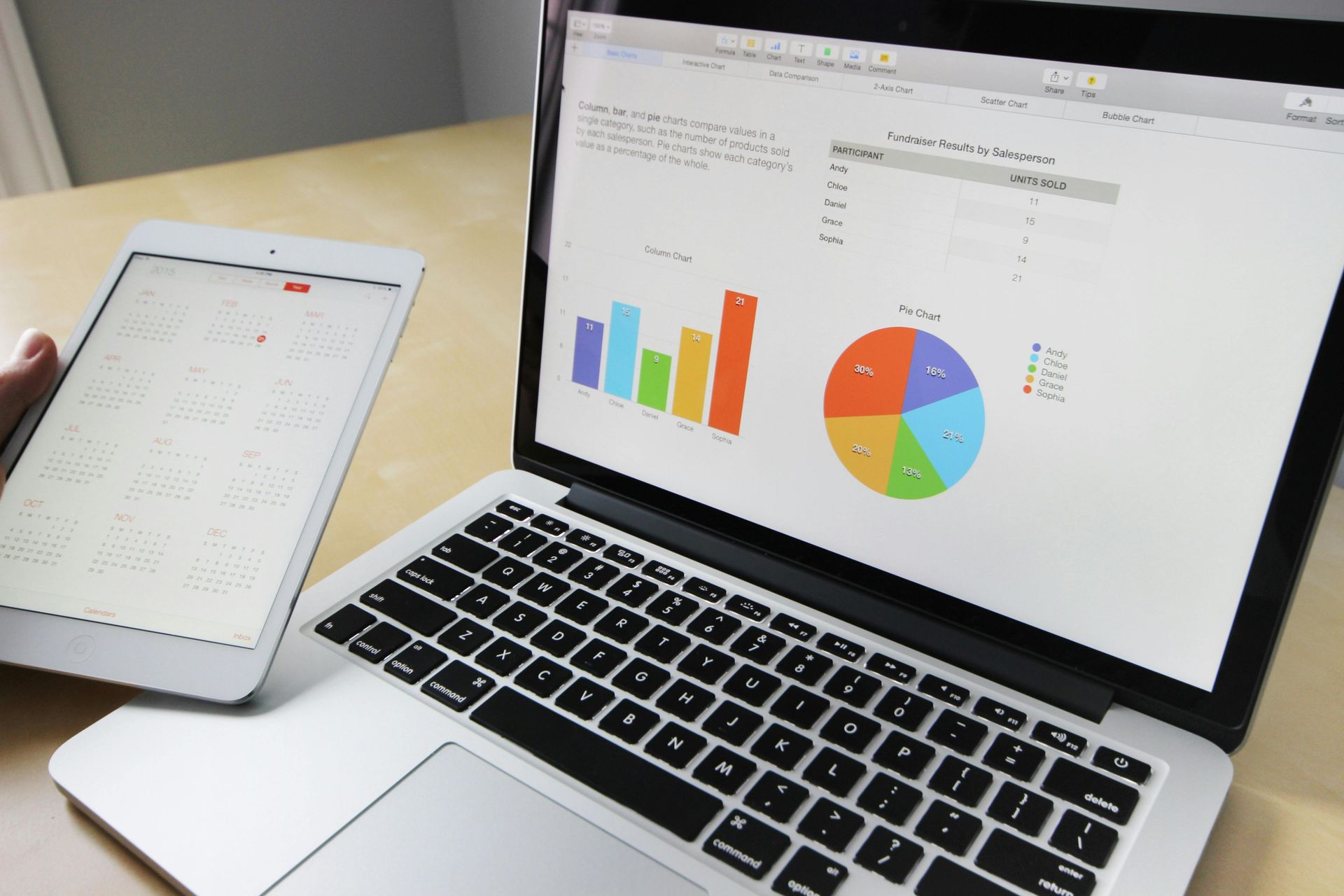
If you’re a sole trader or small business owner, you’ve probably heard the phrase “Making Tax Digital” (MTD) floating around for a while. And now, after several delays, it’s finally becoming a reality. From April 2026, many sole traders and landlords with income over £50,000 will need to keep digital records and submit quarterly updates to HMRC. Those earning over £30,000 will follow a year later. If the thought of more admin fills you with dread, don’t panic. The good news is that getting ready for MTD doesn’t have to be complicated – especially if you use the right tools. At Tidy Money, we’re all about helping small business owners swap overwhelm for clarity, and today we’re sharing our top tips for making the transition smooth and stress-free. 1. Start preparing now, not later The biggest favour you can do for yourself is to get your systems sorted before MTD becomes mandatory. Waiting until the deadline will only make things feel more stressful. By setting up digital record-keeping now, you’ll: Spread the learning curve over time Avoid last-minute panic Get into helpful financial habits early Even dedicating just 15 minutes a week to reviewing your bookkeeping can make a huge difference. 2. Choose accounting software that works for you Not all accounting platforms are created equal. The key is finding one that supports MTD and is genuinely easy to use. That’s why we recommend FreeAgent to all our clients. FreeAgent is designed specifically for freelancers and small business owners. It’s simple, intuitive, and removes a huge amount of financial admin from your plate. With FreeAgent you can: Track expenses automatically Send professional invoices in seconds Reconcile your bank transactions See your tax timeline at a glance Generate real-time financial reports Prepare for MTD with confidence And here’s the best part… If you have a Mettle business bank account, you get FreeAgent completely free. No monthly subscription. No hidden costs. Just powerful, HMRC-recognised software at no extra charge. For many solopreneurs, that saving alone makes switching to Mettle and FreeAgent a no-brainer. 3. Embrace real-time bookkeeping MTD requires more frequent reporting, but this can actually work in your favour. When your accounts are up to date, you get a clearer picture of your business health, including: What you’re owed What you owe How much tax to set aside How your income is trending month by month FreeAgent makes real-time bookkeeping incredibly simple. Most tasks are automated, meaning you can stay organised without spending hours on admin. And if you find bookkeeping frustrating (or something you put off until the last minute), this shift can be transformative for your business. 4. Keep business and personal finances separate If you’re still using your personal bank account for business transactions, now is the time to switch. Mixing finances makes digital record-keeping harder and creates unnecessary stress. A dedicated business account, such as Mettle , helps keep everything clean and tidy. When paired with FreeAgent, your transactions flow through automatically, which reduces errors and saves you valuable time. 5. Get support when you need it You don’t have to navigate MTD alone. Working with an accountant who understands the needs of small business owners can make the transition smoother and significantly less stressful. At Tidy Money, we help clients set up their software, get confident with digital records, and stay compliant without the overwhelm. If you’re unsure where to start, or if bookkeeping simply isn’t your favourite way to spend an afternoon, we’re here to help. Making Tax Digital isn’t something to fear – especially if you take steps now to prepare. With the right tools (hello FreeAgent), a dedicated business bank account (hello Mettle), and friendly expert support (hello Tidy Money!), you’ll be more than ready for the changes ahead. If you want help getting set up or would like to chat about using FreeAgent in your business, just get in touch. We’ll make the whole process feel simple.